
Wildlife in Ladakh: Snow Leopard, Kiang, Black-Necked Crane and the Animals That Define This Landscape

Updated: Jun 16
I N T R O D U C T I O N
Nobody Goes to Ladakh for the Wildlife. That Is Exactly the Problem
Ladakh is one of the great wildlife destinations in the world. Almost nobody plans their trip that way.
Most people arrive for the landscape the high passes, the cold-desert light, the lakes that sit at altitudes where the sky feels close enough to touch. That is a perfectly valid reason to come. But the wildlife running through this same landscape is, in several cases, among the rarest and most extraordinary on the planet. The snow leopard alone genuinely, measurably easier to see in the valleys of Hemis National Park in January than almost anywhere else on earth would justify an entire trip for anyone who has spent time thinking about what it means to encounter one.
Then there is the kiang, the Tibetan wild ass, moving across the Changthang plateau in herds that seem almost prehistoric in scale. The black-necked crane an endangered Tibetan crane that winters at Tso Moriri, one of only a handful of places in India it can be reliably found. The bearded vulture, with its near three-metre wingspan, riding thermals above the gorges of Zanskar with an indifference to altitude that feels almost like showing off.
This guide covers the full wildlife picture in Ladakh which species are here, where and when to find them, what a properly designed wildlife experience in this region actually looks like, and why the traveller who builds Ladakh around its animals tends to come home with the most enduring memories of all.
T H E S P E C I E S
The Animals of Ladakh: A Field Guide for Serious Travellers




A V I F A U N A
Birdwatching in Ladakh: A Destination in Its Own Right
Ladakh's bird list runs to well over 300 species, and for a serious birder, that number represents one of the most productive high-altitude birding environments in Asia. The combination of Central Asian migrants passing through, Tibetan plateau species breeding at altitude, and year-round residents adapted to extreme cold makes this a destination that rewards multiple visits across multiple seasons.
You do not need to be a serious birder, however, to find the birds extraordinary. A bar-headed goose flying over a 5,000-metre pass crossing the Himalayas during migration at altitudes that would require supplementary oxygen for a human is a piece of natural history you are watching in real time. The same is true of a Eurasian eagle owl sitting in the rocks above the Indus, or a demoiselle crane resting at a high-altitude wetland en route between Central Asia and the Indian plains.

G J F I E L D I N T E L L I G E N C E
The single most underrated birding moment in Ladakh is a dawn visit to the southern shore of Tso Moriri in late July. Black-necked cranes, bar-headed geese, brahminy ducks, and the occasional demoiselle crane all at a lake with no tourist infrastructure and almost no other visitors. No hide, no interpretation boards, no itinerary pressure. Bring binoculars and plan for two hours of standing still.
W H E N T O G O
Ladakh Wildlife by Season: When to Come for What
More than almost any other destination in India, the Ladakh wildlife calendar is genuinely seasonal not in the sense of "this species is slightly easier to see in one month than another" but in the sense of entirely different wildlife experiences available in different windows, some of which do not overlap at all.

The honest answer for a first-time Ladakh wildlife traveller: if you want the full picture kiang, cranes, raptors, and a real chance at snow leopard you need two trips. July–September for the Changthang and the summer wildlife complement. January–February for Hemis and the winter predator window. One trip will give you one half of the picture. Both trips will give you something irreplaceable.
T H E P A R K
Hemis High Altitude National Park: What You Need to Know Before You Go

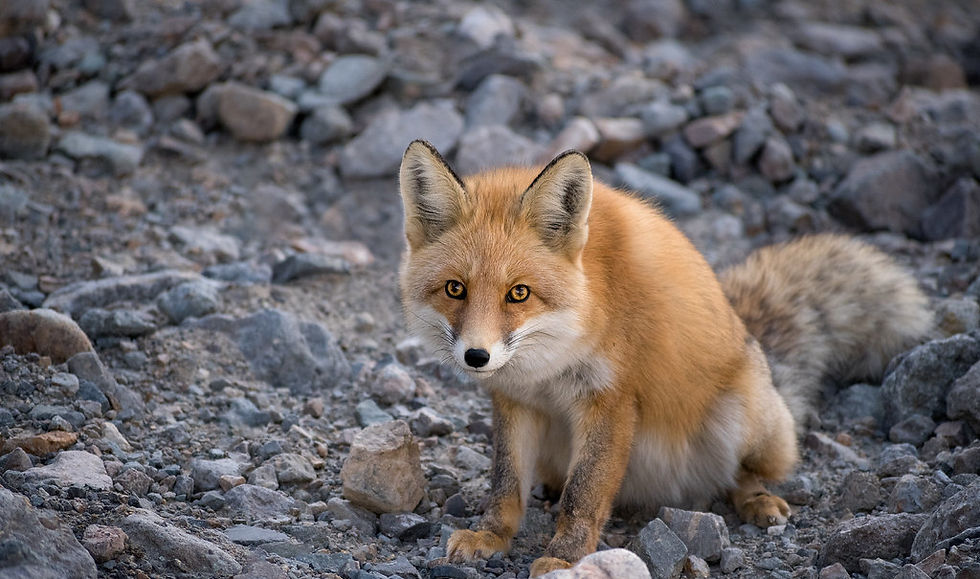
Hemis National Park was established in 1981 and covers 4,400 square kilometres of high-altitude terrain in eastern Ladakh a landscape of glaciated valleys, steep rocky ridges, and sparse scrub vegetation that supports a food chain remarkable for its completeness at altitude. The park protects snow leopard, Tibetan wolf, bharal, woolly hare, Tibetan red fox, kiang along its eastern margins, and a full complement of high-altitude raptors.
The key valleys for winter tracking are Rumbak and Husing, both accessible from the village of Rumbak which sits inside the park boundary. The walk into Rumbak from the road head takes two to three hours. Most wildlife operators base their guests in homestays within the village, which means being inside the park terrain from the moment you step outside each morning rather than driving to the boundary and back.
The guide relationship is everything in Hemis. The local guides largely from the Rumbak community have spent years learning the individual territories of the park's resident leopards. They know which animal is currently active in which drainage, where the bharal herds are moving, and what the overnight tracks suggest. Arriving with an operator who has existing relationships with these guides, rather than booking through a general tours platform, makes a measurable difference to both the quality of the experience and the probability of a sighting.
Entry to Hemis requires a permit, which your operator arranges. A wildlife fee applies. The park is open year-round for wildlife tourism, with winter the primary season for organised tracking and summer the secondary season for bharal, birds, and general high-altitude wildlife.
F R E Q U E N T L Y A S K E D
Ladakh Wildlife: Your Questions Answered
What is the best time to see snow leopards in Ladakh?
January and February are the peak months. Winter snowfall drives blue sheep down from the high ridges into the accessible valleys of Hemis National Park, and the snow leopards follow. Sighting probability is meaningfully higher in these two months than at any other time of year.
Where is the best place to see snow leopards in India?
Hemis High Altitude National Park in Ladakh is widely regarded as the best place in the world to see snow leopards in the wild. It holds one of the highest snow leopard densities of any protected area on earth. The Rumbak and Husing valleys within the park are the most productive zones during winter tracking season.
What wildlife can you see in Ladakh in summer?
July to September is excellent for kiang on the Changthang plateau, Himalayan blue sheep on accessible terrain, bearded vulture and golden eagle overhead, bar-headed geese and brahminy ducks on the lakes, and a wide variety of high-altitude songbirds. The black-necked crane is present at Tso Moriri through the breeding season.
Are snow leopard tracking tours available in Ladakh?
Yes. Dedicated snow leopard tracking experiences operate around Hemis National Park from December through February. They involve multiple days based near the park, early morning searches with experienced naturalists who know individual leopard territories, and significant patience. An operator with existing guide relationships in the Rumbak community makes a measurable difference to sighting probability.
Where can you see the black-necked crane in Ladakh?
Tso Moriri and Tso Kar on the Changthang plateau are the primary sites in India for black-necked crane sightings. The cranes nest at Tso Moriri through the summer breeding season. Early morning visits to the lakeshore in July and August offer the most reliable viewing conditions.
What is a kiang and where can you see one in Ladakh?
The kiang is the Tibetan wild ass — the largest wild equid in the world. In Ladakh, they are found in large herds on the Changthang plateau, particularly around Tso Moriri, Tso Kar, and the Hanle valley. They are not shy and encounters with herds of twenty or more are entirely common during the summer and autumn months.
C O N T I N U E R E A D I N G
More from Our Ladakh Series
P L A N Y O U R J O U R N E Y
A Ladakh wildlife journey whether built around snow leopard in January or kiang and cranes in summer is among the most singular travel experiences available in India. At Global Journeys, we design these trips around the animal, the season, and the traveller, in that order. If you are thinking about Ladakh for its wildlife, we would like to help you do it properly. Whatsapp +91 8879170009


Comments