
Madagascar Travel Guide 2026: Everything Indian Travellers Need to Know

Updated: May 1
There are destinations you visit and destinations that quietly reconfigure you. Madagascar is firmly the second kind.
Called the Eighth Continent for good reason, this island nation off the southeastern coast of Africa is home to an ecosystem so isolated from the rest of the world that 90% of its wildlife exists nowhere else on Earth. Forests full of creatures that look borrowed from another planet. Baobab trees standing like ancient sentinels in the afternoon light. Coastlines that have barely registered the age of mass tourism.
For Indian travellers, Madagascar remains genuinely rare a destination where the word "undiscovered" still holds meaning. This guide covers everything you need to plan your journey: when to go, how to get there from India, visa details, costs, national parks, suggested itineraries, and the on-ground realities that most travel articles skip.
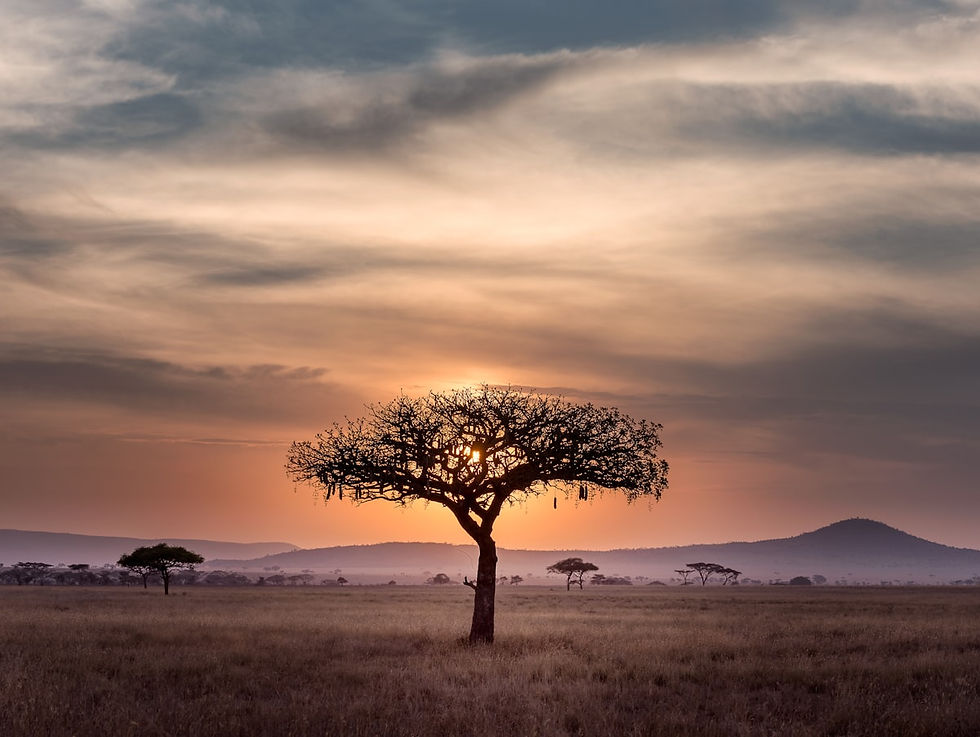
Best Time to Visit Madagascar from India
Madagascar can be visited year-round, but timing matters considerably depending on what you want to see.
May to October — Dry Season (Best for most travellers): The clearest, driest months. Roads are more passable, trekking conditions are comfortable, and wildlife activity is high. October through December is particularly rewarding lemur babies are born, birds are breeding, and the island's colour is at its peak.
July to August — Whale Season: Humpback whales migrate to the waters around Ile Sainte-Marie on Madagascar's east coast, making these months exceptional for marine wildlife.
April and November — Shoulder Season: The island is lush and green, crowds are lower, and accommodation rates drop. Late April and early November offer a compelling balance of good weather and reduced tourist traffic.
January to March — Cyclone Season (Avoid): The northwest and east coasts are most exposed. Rain can be intense and some remote areas become inaccessible. Not recommended for first-time visitors.
Getting to Madagascar from India
There are no direct flights from India to Madagascar. The best routes from Mumbai, Delhi, Bangalore, and Chennai connect via Nairobi (Kenya Airways) or Mauritius (Air Mauritius) into Ivato International Airport (TNR) in Antananarivo. Total travel time is approximately 12 to 15 hours one way. Return flight costs from India typically range from Rs. 65,000 to Rs. 1,10,000 per person. Booking 3 to 4 months in advance is strongly recommended.
Madagascar Visa for Indian Travellers
Indian passport holders get a visa on arrival at Ivato International Airport no pre-application required. A 30-day visa costs USD 35 and a 60-day visa costs USD 45, payable in cash on arrival in US Dollars, Euros, or Malagasy Ariary. You need a valid return ticket and a passport valid for at least 6 months beyond your travel dates. Madagascar's official e-visa portal is at evisamada.gov.mg the only legitimate government site.
Getting Around Madagascar
Madagascar is a large country with variable road quality getting around requires planning. For a considered itinerary, a private 4x4 vehicle with a local driver-guide is the most effective way to travel. The RN7 route running south from Antananarivo through Antsirabe, Ranomafana, Isalo, and down to Tulear is one of the great road journeys in Africa. For travellers with limited time, domestic flights on Tsaradia or Air Madagascar connect the capital to Nosy Be, Tulear, and Fort Dauphin. Taxi-Brousse (bush taxis) are cheap but slow and unpredictable not recommended for first-time visitors.

National Parks of Madagascar — Where to Go
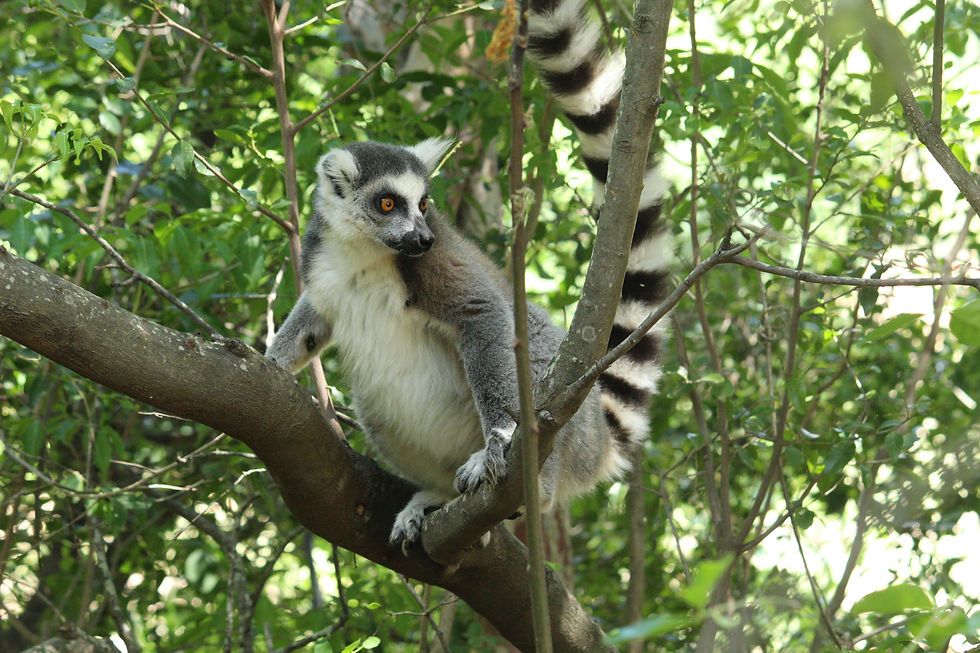
Andasibe-Mantadia National Park: Located 3 hours east of the capital, this is the best place in the world to encounter the Indri — the largest living lemur — whose haunting call carries across the forest canopy at dawn. Almost guaranteed lemur sightings year-round.
Ranomafana National Park: Dense rainforest, hot springs, and cascading streams. Home to the rare golden bamboo lemur and over 30 endemic bird species. Excellent for multi-day trekking.
Isalo National Park: Sandstone massifs, deep canyons, and hidden natural pools. Ideal for trekking with rewarding wildlife sightings. Sunsets from the ridges are exceptional.
Tsingy de Bemaraha: A UNESCO World Heritage Site of razor-sharp limestone pinnacles rising up to 50 metres, navigated via rope bridges. Best reached by domestic flight to Morondava. Unforgettable.
Masoala National Park: Madagascar's largest protected area covering rainforest and offshore coral reef. One of the least-visited and most rewarding parks on the island. Reached by boat from Maroantsetra.
Nosy Be and Ile Sainte-Marie: Madagascar's two premier island destinations. Nosy Be offers warm waters and rich marine life. Ile Sainte-Marie is quieter, perfect for whale watching in July and August.

Suggested Madagascar Itinerary — 10 Days
Days 1 to 2 — Antananarivo: Arrive, recover, and spend a day exploring the capital. The Upper Town with its jacaranda-lined streets and hilltop Queen's Palace is worth a morning. Use the second day to arrange onward logistics.
Days 3 to 4 — Andasibe National Park: Drive east from Tana (approx. 3 hours). Morning and evening walks in the park for Indri encounters. Stay within or adjacent to the reserve — the night sounds alone are worth it.
Days 5 to 6 — Ranomafana National Park: Continue south. A full day in Ranomafana's rainforest with a local guide. Early mornings offer the best lemur and bird activity.
Days 7 to 8 — Isalo National Park: Further south through the highlands. Isalo rewards a full day of trekking — the Canyon des Makis and natural pools are the highlights. Sunset from the sandstone ridges is exceptional.
Days 9 to 10 — Morondava and the Avenue of the Baobabs: Head west to Morondava for one of Madagascar's most iconic experiences — the Avenue of the Baobabs at dawn or dusk, when the ancient trees glow amber in the low light. Return to Tana by domestic flight for departure. Extend with 3 nights in Nosy Be for a coastal finish.
Madagascar Trip Cost from India — 2026 Breakdown
Return flights from India: Rs. 65,000 to Rs. 1,10,000 per person. Visa on arrival: Rs. 3,000 to 4,000 (USD 35 to 45). Accommodation per night: Rs. 5,000 to 25,000. Private 4x4 vehicle with driver per day: Rs. 8,000 to 14,000. National park fees per park: Rs. 1,500 to 3,000. Meals per day: Rs. 1,500 to 3,500. Domestic flights per sector if needed: Rs. 8,000 to 18,000.
Total estimate for 10 days mid-range: Rs. 2.8 to 4.5 lakhs per person. Luxury lodges such as Anjajavy and Princesse Bora will increase the upper end. Budget travellers sharing transport and staying at guesthouses can bring costs down by 30 to 40 percent.
Money, Connectivity and Practical Tips
Currency: The local currency is the Malagasy Ariary. ATMs are limited outside Antananarivo. Carry sufficient cash in US Dollars or Euros. Visa card is accepted at higher-end hotels do not depend on cards outside the capital. Connectivity: Local SIM cards from Orange Madagascar or Airtel cover towns but are unreliable in remote parks download offline maps before you go. Health: Malaria prophylaxis recommended; consult your doctor 4 to 6 weeks before departure.
Food and Drink in Madagascar
Malagasy food is built around rice consumed at almost every meal. The national dish, romazava, is a flavourful broth of meat and leafy greens reflecting the island's French and Indian Ocean influences. Along the coast, seafood is exceptional fresh prawns, crab, and lobster at prices that feel almost unreasonable by Indian standards.
Zebu beef is the most common protein inland. Vanilla, pepper, and ylang-ylang grown on the island mean even simple dishes carry unexpected depth. For vegetarians: plant-based options are limited outside tourist areas communicate dietary requirements clearly when booking accommodation.
Frequently Asked Questions — Madagascar Trip from India
Do Indian travellers need a visa for Madagascar? No prior application required. Visa on arrival up to 60 days — USD 35 for 30 days, USD 45 for 60 days, cash only at the airport.
How many days do you need? A minimum of 10 days is recommended. 14 days allows a more relaxed experience across the country's full range.
Is Madagascar safe for Indian travellers? Generally yes on organised itineraries with a reputable driver-guide. Standard precautions apply in Antananarivo after dark.
Best time to visit? May to October for dry season. October to November for wildlife. July to August for humpback whale sightings.
How much does a Madagascar trip from India cost? A 10-day mid-range trip costs approximately Rs. 2.8 to 4.5 lakhs per person all-in.
Plan Your Madagascar Journey with Global Journeys
Madagascar rewards careful, considered planning. The distances are real, the roads require judgement, and the best experiences — a night in Masoala, a private walk in Ranomafana at dawn, sunset over the Baobabs — come from an itinerary built with genuine on-ground knowledge.
At Global Journeys, we design Madagascar itineraries for travellers who want more than the surface. Our routes are built around what the island actually delivers, not what it looks like on a mood board.
Reach us on WhatsApp: +91 88791 70009 or write to indianjourneys01@gmail.com

Comments