
Japan, Thoughtfully: A Complete Guide to Experiencing the Country Beyond the Obvious

Updated: May 19
"Japan doesn't reveal itself in a rush. It asks you to slow down, pay attention, and trust that the most extraordinary moments will arrive quietly between the obvious ones."
The moment the Narita Express slides out of the airport tunnel and the first rice field appears flat, bright, impossibly neat something shifts. It isn't dramatic. There's no orchestral swell. It's more like the quiet click of a lens coming into focus. You are in Japan now, and Japan, from the very first glance, is asking you to be present.
Inside the train, the upholstery is spotless. The announcement comes in four languages, and all four sound considered. A woman in office attire reads a physical novel, not a phone. Two elderly men share a bento in near-perfect silence, the rustle of the packaging its own kind of conversation. Outside, a convenience store gives way to a temple gives way to a crane-dotted skyline. The country compresses centuries into single frames, and it does so without apology or fanfare.
This is Japan's first lesson: it doesn't explain itself to you. It simply exists layered, disciplined, quietly dazzling and waits for you to lean in.

Japan Through Its Seasons — When to Go
To ask when to visit Japan is to ask what kind of Japan you want. The country doesn't offer a single mood; it offers four entirely different ones, each as complete and immersive as the last. 春
Spring — The Fleeting Season
March through May. Cherry blossoms bloom for roughly ten days, and the whole country pauses. There's something almost unbearable about hanami (cherry blossom viewing) because you are watching beauty time itself to disappear. That impermanence is the point. Travel the Philosopher's Path in Kyoto at dusk, when the petals fall like slow snow. Book accommodation three to four months ahead; this is Japan's most competitive window. Early April in Tokyo, mid-April in Kyoto, late April in Tohoku — the blooms move north like a slow tide. 夏
Summer — The Alive Season
June through August. It is hot. The humidity in July is physical, a presence you negotiate with rather than ignore. But summer Japan is also festival Japan: matsuri nights with taiko drums, yukata-clad crowds around lantern-lit stalls, fireworks over rivers that seem to stop time entirely. Kyoto in August has the Gion Matsuri one of Japan's grandest festivals and Okinawa has the sea. If you go in summer, go for the energy and plan your mornings carefully. The heat respects no itinerary.
秋
Autumn — The Traveller's Season
October through November. This is, arguably, the finest time to be in Japan. The koyo, the autumn foliage, turns the mountains and temple gardens into something from a painted scroll. The air is cool and clarifying. The crowds are present but more manageable than spring. Nikko, Kyoto's Arashiyama, and the Japanese Alps around Kamikochi are at their most transcendent. Autumn is also the season when the ryokan makes the most sense: a tatami room, a window onto a garden of crimson maples, and nothing else demanded of you.
冬
Winter — The Honest Season
December through February. Japan's winter is underrated and deeply rewarding for those willing to seek it out. Hokkaido's ski resorts Niseko above all, carries some of the finest powder snow on earth. The historic city of Kanazawa is at its most atmospheric under winter grey. And an onsen in the mountains, steam rising into cold air, snow collecting on the cedar eaves outside this is one of travel's genuinely irreplaceable experiences. Crowds are thinner, prices drop, and Japan reveals a stillness that the warmer months rarely offer.

Routes & Itineraries — How to Explore
Japan rewards a considered approach to movement. The instinct to pack in as many cities as possible is understandable but the travellers who come back most changed are usually those who resisted that impulse. Depth, in Japan, is always more interesting than breadth. The six routes below cover the full length of the country: start where your interests lead, and let the rail network do the rest.
FIRST TIME IN JAPAN
The Classic Arc
Tokyo→Hakone→Kyoto→Nara→Osaka

This route earns its ubiquity because it works. Tokyo for the frenetic present, Hakone for a pause and a view of Fuji across still water, Kyoto for temples and time slowing down, Osaka for food and charisma. Give yourself 10 to 12 nights minimum, and resist the urge to rush through Kyoto in two days. Three nights lets you find the city rather than just see it.
FOR THE CURIOUS TRAVELLER
The Cultural Deep Dive
Tokyo→Nikko→Kanazawa→Kyoto→Hiroshima

Nikko offers Edo-period excess you won't find elsewhere. Kanazawa (sometimes called "little Kyoto") has the Kenroku-en garden and a geisha district that still functions with quiet purpose. Hiroshima demands patience and emotional honesty; the Peace Memorial Museum is among the most important places in the world and should not be rushed.
OFF THE BEATEN PATH
The Unhurried Route
Osaka→Takayama→Shirakawa-go→Kanazawa→Naoshima

This route belongs to those who travel to feel, not just to see. Takayama is a mountain town in Gifu Prefecture with preserved Edo merchant streets and outstanding sake. Shirakawa-go's steep-roofed gassho-zukuri farmhouses feel borrowed from a folktale. Naoshima, the art island in the Seto Inland Sea, is where contemporary art meets a traditional fishing village and both come out richer for it.
THE SOUTH ROUTE
Hiroshima, Kyushu and Nagasaki
Osaka→Hiroshima→Fukuoka→Nagasaki→Kumamoto
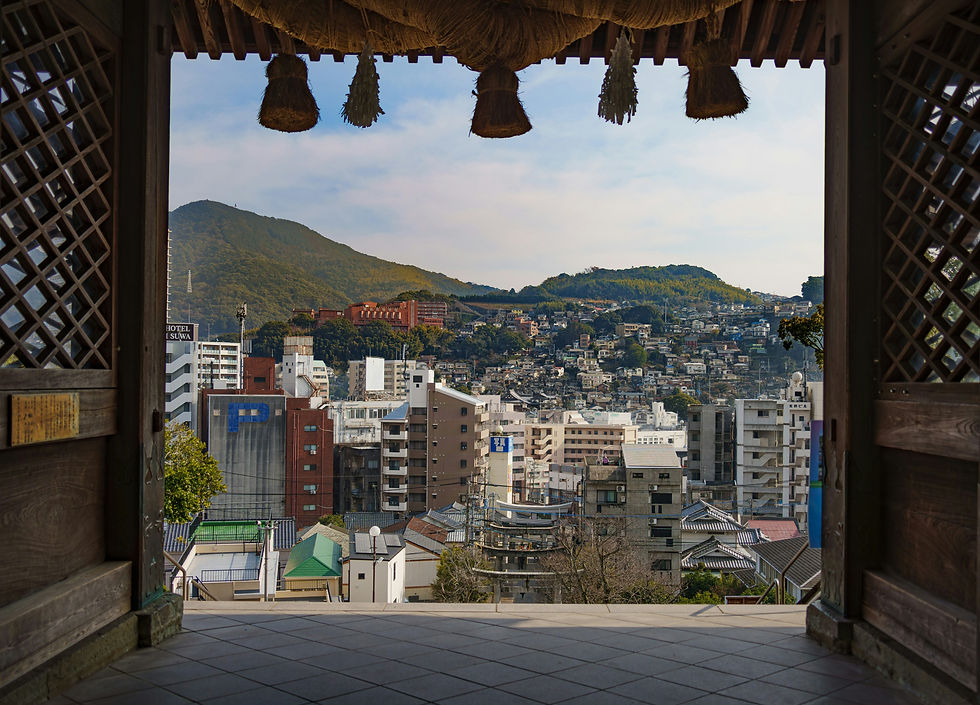
The Sanyo Shinkansen carries you from Osaka to Hiroshima in under an hour. Spend two nights there; the city has rebuilt itself into one of Japan's most hopeful and thoughtful places, and the Peace Memorial Park deserves a full morning with unhurried attention. From Hiroshima, Miyajima Island is a 30-minute ferry ride and one of Japan's iconic images: the great torii gate of Itsukushima Shrine standing in the sea at high tide, its orange lacquerwork reflected in still water.
Continue south on the Shinkansen to Fukuoka (Hakata Station), the gateway to Kyushu and the home of tonkotsu ramen in its original, truest form. The yatai street stalls along Nakasu River at night are among Japan's most atmospheric eating experiences. From Fukuoka, the Nagasaki Shinkansen (opened 2022) now connects in approximately 30 minutes to Shin-Tosu, then onward to Nagasaki in under two hours total. Nagasaki is a city of layered histories: the Atomic Bomb Hypocenter and Peace Park carry the same weight as Hiroshima, while Dejima Wharf and Glover Garden recall Japan's only gateway to the outside world during two centuries of isolation. Kumamoto, on the return north, has one of Japan's original castles and access to the volcanic landscapes of Aso, the largest caldera in the world. The full southern loop runs 10 to 12 nights and covers some of the most historically significant ground in the country.
THE NORTH ROUTE
Tohoku, Hokkaido and the Deep North
Tokyo→Sendai→Aomori→Hakodate→Sapporo
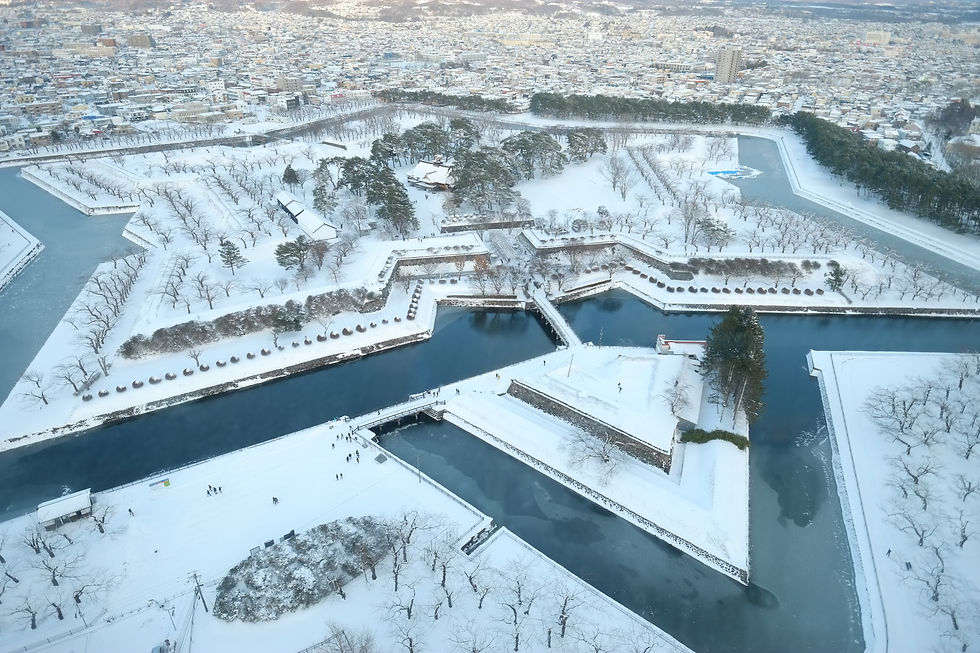
The north of Japan is where the country becomes slower, wider, and wilder. Most international visitors never reach it, which is precisely why it rewards those who do. The Tohoku Shinkansen from Tokyo reaches Sendai in about 90 minutes. Sendai is a liveable, forested city famous for its Tanabata Festival (August) and its date-miso cuisine. From here, a short side trip reaches Matsushima Bay, where 260 pine-covered islands dot the water in a composition so striking that the 17th-century poet Matsuo Basho, upon seeing it, reportedly fell silent.
Continue north to Aomori, gateway to the Tohoku coast and the Nebuta Festival in August when enormous illuminated floats parade through the streets in one of Japan's most spectacular summer events. At Shin-Aomori, the Shinkansen connects to the Hokkaido Shinkansen, which tunnels beneath the Tsugaru Strait to reach Hakodate. Hakodate is one of Japan's great overlooked cities: a working port with a beautifully preserved foreign settlement district, a morning market famous for sea urchin and crab at dawn, and a night view from Mount Hakodate that frequently ranks among the finest in the world.
Sapporo, Hokkaido's capital, is the final destination. In winter it hosts the Sapporo Snow Festival, where enormous ice sculptures fill Odori Park for a week in early February. In summer, the city is surrounded by lavender fields and dairy farms at a scale Japan elsewhere cannot offer. Niseko, two hours southwest by bus, carries some of the best powder skiing on earth. The north route runs 10 to 14 nights and is best suited to autumn and winter travel, when the landscapes are at their most dramatic and the crowds from the south have entirely thinned out.
LUXURY SLOW TRAVEL
The Considerate Route
Tokyo→Hakone→Kyoto→Kinosaki→Kanazawa

This route is designed around staying well rather than seeing everything. Two nights at a ryokan in Hakone with views of Fuji. Three nights in Kyoto with mornings at temples before the crowds arrive and evenings in kaiseki restaurants. Then north on the Ltd. Express to Kinosaki Onsen, a small mountain spa town where guests in yukata walk between seven public bathhouses on lantern-lit stone streets. It is one of the most complete traditional Japanese experiences accessible by rail and almost entirely free of mass tourism. Finish in Kanazawa, where the craft culture and the food are exceptional and the pace is exactly right for ending a trip. Fourteen nights, half a dozen different accommodations, no rushing.
Moving Through Japan — Logistics in Depth
Japan's transport system is one of those rare things that exceeds its own reputation. Before you arrive, it can feel intimidating multiple rail operators, kanji signage, platform numbers, reserved versus non-reserved cars. Within two days of landing, it becomes second nature. The system is so well-designed that the main thing you need to do is trust it.

The Shinkansen — Which Train Goes Where
The Shinkansen is not one train — it is a network of high-speed lines, each serving a different corridor. Understanding which line covers your route is the first thing to get straight before you book anything.
The Tokaido Shinkansen is the line most visitors use first and most often. It connects Tokyo (Shinagawa and Tokyo Station) to Nagoya, Kyoto, and Osaka (Shin-Osaka). Journey time from Tokyo to Kyoto on the fastest Nozomi service is approximately 2 hours 15 minutes. From Tokyo to Osaka (Shin-Osaka), roughly 2 hours 30 minutes. This is the world's busiest high-speed rail line and runs every few minutes during peak hours — you will never wait long.
The Sanyo Shinkansen picks up from Shin-Osaka and continues west to Hiroshima (approximately 1 hour from Osaka), Hakata/Fukuoka (approximately 2 hours 15 minutes from Osaka), and beyond. If your itinerary includes Hiroshima, you ride the Tokaido line to Shin-Osaka, then transfer to the Sanyo — but most through-services run seamlessly without a platform change.
The Hokuriku Shinkansen connects Tokyo to Kanazawa via Nagano — a route that opened its Kanazawa extension relatively recently and transformed access to the Hokuriku coast. From Tokyo to Kanazawa takes approximately 2 hours 30 minutes. This line also passes through Nagano, making it the gateway to the Japanese Alps and Hakuba.
The Tohoku Shinkansen runs north from Tokyo to Sendai, Morioka, and ultimately Shin-Aomori — the gateway to northern Honshu and, via ferry, Hokkaido. If you're travelling to Nikko or north, this is your line from Ueno or Tokyo Station. Branch lines split off to Akita (the Akita Shinkansen), Yamagata, and Nagano.
The Kyushu Shinkansen serves the southern island, running from Hakata (Fukuoka) down to Kagoshima-Chuo, with stops at Kumamoto and Nagasaki on a branch line. For visitors doing a southern Japan loop, this is your artery through Kyushu.
Train Types: Nozomi, Hikari, Kodama — What's the Difference

On the Tokaido line, three service types operate on the same tracks and look nearly identical on the platform board. The Nozomi is the fastest — it stops only at Tokyo, Shinagawa, Shin-Yokohama, Nagoya, Kyoto, and Shin-Osaka. It is the one to book for Tokyo-Kyoto travel. Important note: the Nozomi is not covered by the JR Pass. JR Pass holders, you must use the Hikari or Kodama. The Hikaristops at a few more stations and is JR Pass-eligible — it adds roughly 20–30 minutes to the journey. The Kodama is the local service, stopping at every station; it is slow and rarely the right choice for long-distance travel. The platform boards display all three in a colour-coded column — orange for Nozomi, green for Hikari, yellow for Kodama.
Navigating the Major Stations
Tokyo Station

This station is the largest and most complex, but it is also exceptionally well-signposted. The Shinkansen platforms — numbered 13 through 22 — are on the west side of the station (Marunouchi side), accessed via the "Shinkansen Central Gate" or "Shinkansen South Gate." Look for the green JR Shinkansen signs at the top of escalators. Once through the fare gate, each platform is clearly labelled with the train name, departure time, and car number markers on the floor. Your reserved ticket will specify your car number (号車, gōsha) and seat number — stand on the floor marker for your car and the door will arrive precisely there. Green Car (first class) is typically cars 8 through 10. Unreserved seating is cars 1 through 3. If you have a JR Pass and want an unreserved seat on a Hikari, simply board any unreserved car — no prior reservation needed. Tokyo Station also contains the famous Ekiben shops on the basement level — station bento boxes that are genuinely worth arriving thirty minutes early for.
Shinagawa Station

This station is five minutes south of Tokyo on the Tokaido Shinkansen and is often a better starting point if your hotel is in Shinagawa, Shibuya, or Roppongi — fewer crowds than Tokyo Station, and many Nozomi services stop here. The Shinkansen platforms are on the third floor, above the main commuter concourse.
Kyoto Station

This station is simultaneously one of Japan's most architecturally striking stations and one of its most disorienting to first-time visitors. The building is a 1997 modernist structure of glass and steel that rises eleven storeys it contains a department store (Isetan), hotel, cinema, and dozens of restaurants, all stacked on top of the rail tracks. The Shinkansen platforms are on the north side, ground level, platforms 11–14. JR local lines (including the JR Nara Line to Nara and the JR Biwako Line east) depart from the central platforms. The Kintetsu Line to Nara faster and often preferred departs from the basement level of the Kintetsu station attached to the south side of the building. City buses, including lines to most major temples, depart from the large bus terminal directly outside the north (Karasuma) exit. The key rule at Kyoto Station: when in doubt, go to the ground floor, locate the large central atrium staircase, and use the illuminated information boards.
Osaka (Shin-Osaka) Station
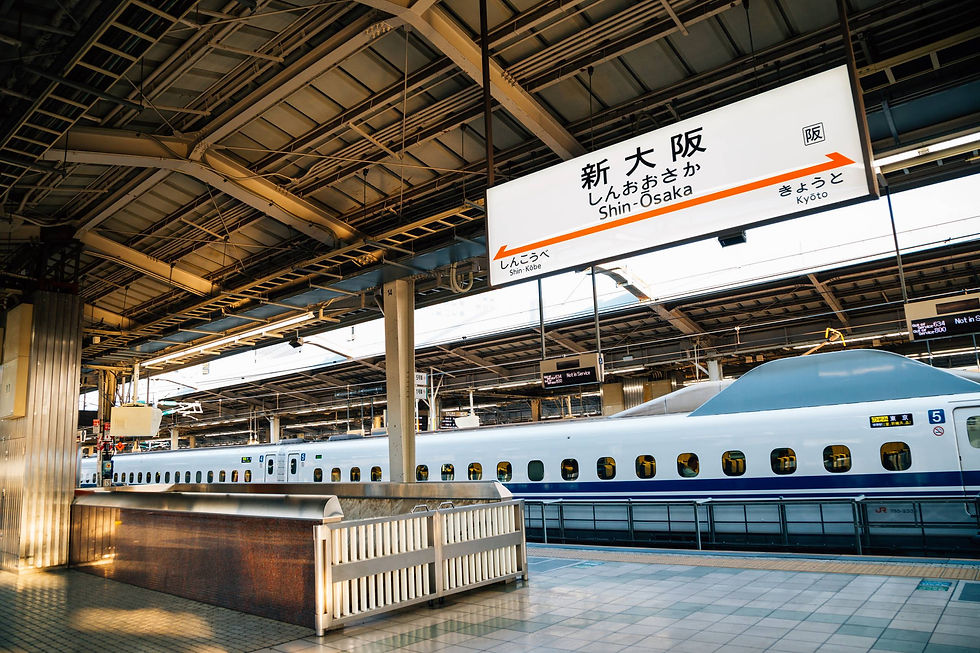
This station is the Shinkansen terminus it is not the same as Osaka (Umeda) Station, which is the city's main commuter hub. Shin-Osaka is connected to Osaka Station by the Midosuji Metro line (two stops, approximately four minutes). If your hotel is in Namba or Shinsaibashi, take the Midosuji Line south from Shin-Osaka to Namba directly. If you're in Umeda/Osaka Station area, take the metro one stop. Shinkansen platforms at Shin-Osaka are on the fourth floor; local JR and metro platforms are below.
Shinjuku Station
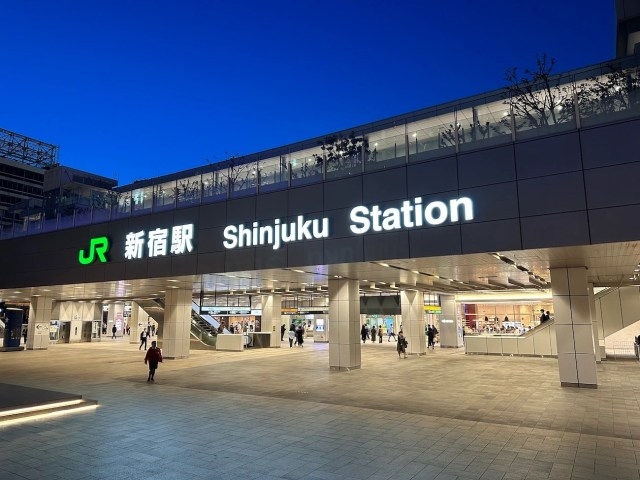
Tokyo's busiest commuter hub and the most-used station in the world by passenger volume handles over 3.5 million people daily across more than 200 exits. There is no shame in being confused here; even frequent visitors get turned around. The key exits to know: South Exit leads to Takashimaya Times Square and bus terminals. East Exit leads to Kabukicho and Isetan. West Exit leads to Odakyu and Keio department stores, and is the starting point for the Odakyu Romance Car to Hakone. My Shinjuku Rule: identify your exit before you walk through any gate, follow the overhead signs exclusively, and ignore the floor maps — they are drawn at a scale that makes the station feel manageable but provides no intuitive spatial sense of where you actually are.
The JR Pass — When It Makes Sense, When It Doesn't
The JR Pass is a blanket pass covering most JR-operated trains nationwide, including Shinkansen (except Nozomi and Mizuho), JR local lines, the JR Airport Express (Narita Express and Haruka), and some JR buses and ferries. It must be purchased outside Japan through a travel agent or authorised online platform and exchanged for the physical pass at a JR Office on arrival.
It makes clear financial sense if your itinerary includes: Tokyo to Kyoto and back, or Tokyo to Hiroshima, or a broad multi-city journey (Tokyo → Kyoto → Hiroshima → Fukuoka → back). A 7-day pass costs approximately ¥50,000 (~₹28,000). A single unreserved Tokyo–Kyoto Hikari ticket costs around ¥13,000 each way — so if you're making that journey twice plus any other JR travel, the pass pays for itself. It does not make sense for a simple Tokyo stay, or if your travel is entirely within one city's metro system.
PLATFORM PRO TIP
Every Shinkansen platform in Japan has car-number floor markings — look for the small yellow rectangles on the ground with numbers like "1号車", "5号車" etc. Your reserved ticket tells you exactly which car to stand beside. The train arrives and the door opens directly in front of you. Do this once and it will feel like a superpower.
How to Book — Car Classes, Reserved Seats, and What It All Means
Booking a Shinkansen ticket feels complicated until you understand the two decisions you are actually making: which car class you want, and whether you want a reserved or unreserved seat. Once those two things click into place, the system becomes entirely logical.
The Two Car Classes: Ordinary and Green Car
Ordinary Car

It is standard class and it is genuinely comfortable. The seats are well-padded, recline properly, have fold-down tray tables, and offer more legroom than a domestic flight in almost any country. On the Tokaido Shinkansen, ordinary cars make up the bulk of the train roughly cars 1 through 7 and 11 through 16. For most travellers, ordinary class is all you will ever need. A Tokyo–Kyoto ordinary ticket on the Hikari costs around ¥13,870.
Green Car
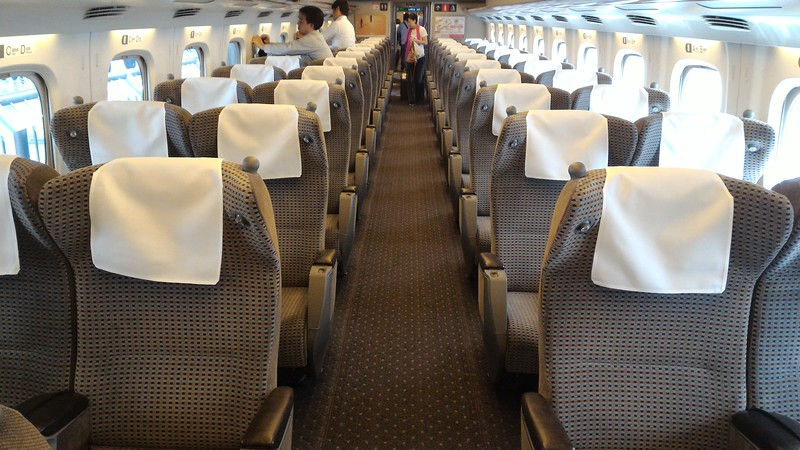
It is first class with wider seats (roughly 2+2 configuration versus 3+2 in ordinary), more recline, more legroom, quieter carriages, and on many services a hot oshibori towel on boarding. Green Car cars are typically cars 8, 9, and 10 on the Tokaido Shinkansen. The premium over ordinary class is approximately ¥3,500–5,000 depending on route and service. It is worth it for overnight or very long journeys, or simply if you want a quieter, more spacious experience. If you hold a JR Pass, a Green Car pass upgrade is available — you buy a separate Green Car JR Pass, which costs more than the standard pass but covers all Green Car travel.
Reserved Seats vs. Unreserved Seats — The Critical Difference
Every Shinkansen train has both reserved and unreserved cars running simultaneously, and the distinction matters more than most travellers realise before their first trip.
Unreserved seats (自由席, jiyūseki) are exactly that — you board any unreserved car and sit wherever you find a free seat. On quiet routes and off-peak times, this works perfectly well. The unreserved cars are always the same ones: on the Tokaido Shinkansen, cars 1, 2, and 3. If you hold a standard JR Pass and have not made a seat reservation, these are the cars you board. The catch: on popular routes — particularly the Tokaido line between Tokyo and Kyoto on Friday evenings, Sunday afternoons, Golden Week (late April to early May), Obon (mid-August), and the New Year window — unreserved cars fill completely. Travellers sometimes stand for the entire two-hour journey to Kyoto. This is not hypothetical; it happens regularly.
Reserved seats (指定席, shiteiseki) mean you have a specific car number and seat number printed on your ticket, and that seat belongs to you for that train only. Nobody else can sit there. You board knowing exactly where you are going, place your bag, and settle in. On any popular route, reserved seating is the right choice — particularly on the Tokaido Shinkansen between Tokyo and Kyoto or Osaka during any peak period. The reservation fee on top of your base fare is typically ¥840–1,840 depending on season and route, which is a small price for certainty.
There is one important implication of reserved seating that catches some travellers off guard: if you have a reserved ticket for a specific Shinkansen, that reservation is valid only for that train.Miss your Nozomi at 10:33, and your seat reservation for that service is void — you will need to board the next available train and either find an unreserved seat or pay to rebook. The trains run frequently enough (every 10–15 minutes on the Tokaido line) that missing one is rarely catastrophic, but the reserved ticket does not carry forward. Factor this in if you are rushing from another train or a hotel checkout.
BOOKING RECOMMENDATION
On any leg of your trip involving the Tokaido Shinkansen (Tokyo–Kyoto–Osaka corridor), book reserved seats. The frequency of services means you are never locked to an inconvenient departure — trains run every 10–15 minutes — and the small reservation fee eliminates any anxiety about finding a seat. Unreserved is fine for quiet regional lines; on the main corridor between Japan's three biggest cities, reserve.
How to Book Online — Step by Step
The most straightforward way to book Shinkansen tickets from outside Japan — or in advance once you arrive — is through SmartEX (smart-ex.jp) or Eki-net (eki-net.com), both official JR platforms with English interfaces. SmartEX in particular is designed for international visitors, accepts foreign credit cards, and allows you to manage bookings entirely on your phone. You link your IC card (Suica) to your SmartEX account, and your reservation is tied to that card — tap through the Shinkansen gate with your IC card and your reserved seat is confirmed automatically. No paper ticket required.
The booking flow is simple: select your departure and arrival stations, choose your travel date and preferred departure time, select the service type (Nozomi, Hikari, etc.), choose Ordinary or Green Car, and then select Reserved or Unreserved. The seat map for reserved bookings shows available seats visually — window seats fill fastest, so book early if you want the right side of a Tokyo-bound train for the Fuji view. Pay by credit card, and the booking confirmation lands in your email immediately.
If you hold a JR Pass, seat reservations on eligible services (Hikari, Kodama, and most regional Shinkansen) are free you simply visit any JR ticket office (Midori no Madoguchi) or use the JR Pass holder kiosks at major stations and make your reservation there. The physical seat reservation slip is printed and handed to you; keep it with your pass for the journey.
One final note on timing: Shinkansen tickets go on sale one calendar month before the travel date. For peak travel periods Golden Week, Obon, New Year popular services sell out within hours of opening. If your travel dates fall during any of these windows, set a reminder and book the moment reservations open.
IC Cards — Your Daily Transport Key
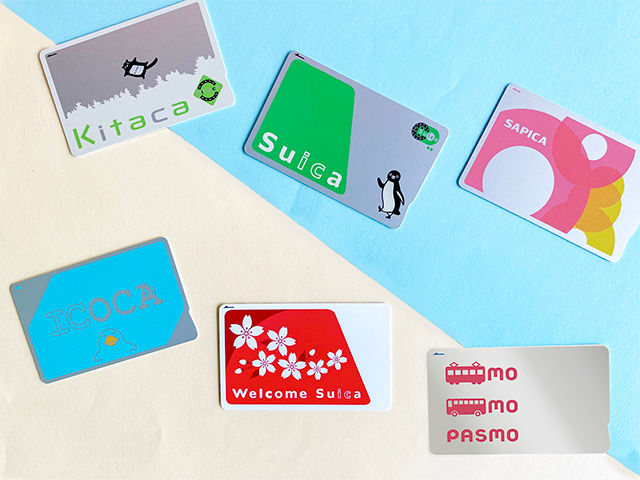
The IC card is the single most useful object you will carry in Japan, and you should get one within an hour of landing. At Tokyo's Narita or Haneda airports, look for the JR ticket machines or Suica vending machines (green machines, near the gates) a Suica card costs ¥500 deposit plus whatever you top up. You can also now add a Suica card to Apple Wallet or Google Pay before leaving home if your phone supports it, which is even better.
The Suica and Pasmo are functionally identical and both work everywhere in Tokyo. Icoca works throughout Osaka, Kyoto, and Hiroshima. The good news: all four cards are now interoperable across the entire country your Tokyo Suica works on the Kyoto buses and Osaka metro without any issue. Top up at any ticket machine (there is always an English option press it without hesitation), at convenience stores, or through the app. ¥3,000–5,000 is a reasonable starting top-up for a few days in one city.
The card works on: every metro line, every JR local train (not Shinkansen), most city buses, monorails, some ferries, and almost every convenience store, vending machine, and many restaurants. You tap a card reader on entry and exit the machine beeps once on entry and deducts the exact fare on exit. You never need to know the fare in advance. If your card runs low, the gate will let you out but flag you just use the top-up machine inside the gate before leaving.
Getting from the Airport — Narita and Haneda
Most international flights into Tokyo arrive at Narita International Airport, which is 60–80 kilometres east of the city farther than it sounds, and the journey matters. The fastest and most dignified option is the Narita Express (N'EX), which runs directly to Tokyo Station (approximately 53 minutes), Shinjuku (approximately 80 minutes), and Shibuya. A single ticket costs around ¥3,000. If you have a JR Pass, the N'EX is fully covered a very good reason to validate your pass on arrival. Avoid taking a taxi from Narita; it will cost ¥25,000–35,000 and take longer in traffic. The Keisei Skyliner a private rail service is a faster alternative to Ueno Station (41 minutes) and costs around ¥2,470 one-way, a good choice if your hotel is near Ueno, Asakusa, or Akihabara.
Haneda Airport is far more convenient it is only 30 minutes from central Tokyo. The Tokyo Monorail connects to Hamamatsucho Station (JR Yamanote line) in approximately 18 minutes. The Keikyu Line connects to Shinagawa and central Tokyo in about 11 minutes. Both cost under ¥700. If you're arriving at Haneda on a late-night flight, the airport itself is excellent clean, open all night, with restaurants and convenience stores operating around the clock.
Luggage Forwarding — Takuhaibin

This is arguably the single highest-impact travel upgrade available in Japan, and it costs almost nothing. Yamato Transport's takuhaibin service available at every convenience store and most hotels allows you to send your suitcase directly from your current hotel to your next hotel, arriving the following day. The cost is ¥1,500–2,500 per large bag depending on size and destination. Hand your bag to the hotel front desk by 10 AM (they handle the labelling and collection), and it will be waiting at your next hotel when you arrive the following afternoon.
The practical effect of this is transformative. Japan's trains and station stairways are not designed for large luggage. There is no overhead storage on metro trains, escalators are narrow, and rolling a suitcase through Kyoto's stone alleys to a ryokan is exactly the kind of friction that chips away at a trip. Travelling with only a day bag your camera, a change of clothes, your IC card lets you move with the lightness the country seems to invite. Many experienced Japan travellers consider this the single best thing they learned before their second trip.
食
EATING WELL
Food as Understanding
In Japan, food is not a backdrop to travel. It is the travel.

The way a bowl of ramen is presented the broth lacquered and steaming, the chashu laid just so, the noodles coiled beneath is a form of respect extended to you as a guest, even in a counter-seat shop where you ordered via a vending machine and have been given precisely thirty seconds of eye contact since arriving.
Osaka feeds you differently from Tokyo.
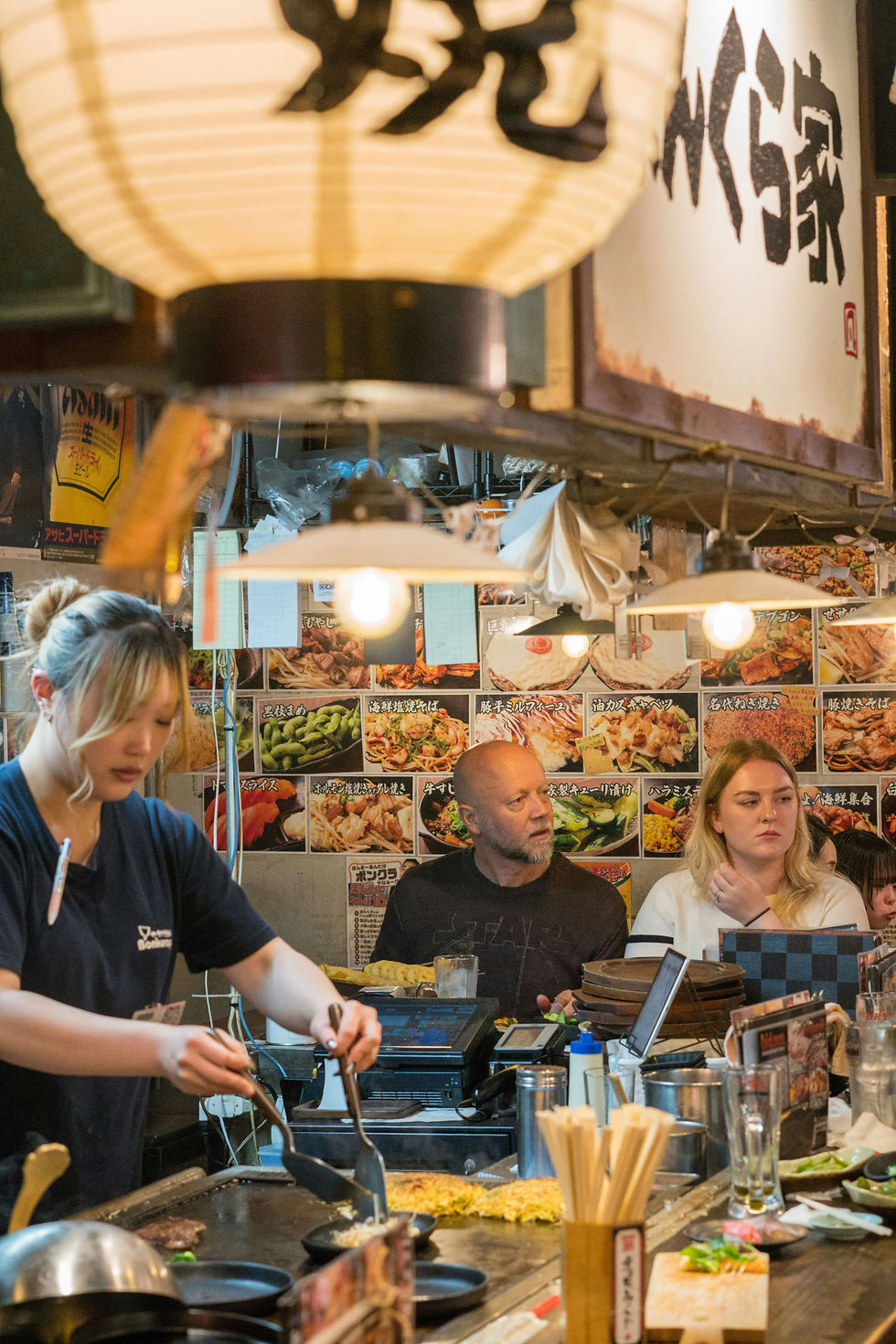
In Osaka, the philosophy is kuiadaore eat until you drop and the city means it. Takoyaki from a street stall in Dotonbori, okonomiyaki in a narrow shop on a side street, fugu if you're feeling bold Osaka is where Japan wears its appetite openly. Fukuoka, further south, is the home of hakata ramen: a rich, milky tonkotsu broth that arrives at the table already perfect and only improves with the pickled ginger left beside the bowl. Hiroshima's version of okonomiyaki is built in layers rather than mixed a point of quiet, persistent local pride.
Dining etiquette in Japan is light but worth absorbing before you arrive.

You do not tip ever and attempting to do so creates discomfort rather than gratitude. Slurping noodles is not rude; it signals enjoyment. Saying itadakimasu before eating and gochisousama deshita to the chef as you leave are gestures that, in any language, translate simply as acknowledgment and thanks.
The 7-Eleven Guide — Japan's Most Underrated Dining Experience
You need to recalibrate everything you think you know about convenience stores before you walk into a Japanese 7-Eleven for the first time. This is not a petrol station stop. This is a well-lit, impeccably organised micro-supermarket staffed by people who treat every transaction with the same quiet professionalism as a restaurant. In Japan, there are roughly 21,000 7-Eleven locations more than any other country and the standard is uniform and consistently high.
There are three major convenience store chains: 7-Eleven (Seven-Eleven), Lawson, and FamilyMart. All three are excellent and operate nearly identically. 7-Eleven has the edge on onigiri variety and sandwiches. Lawson is beloved for its Karaage-kun fried chicken and superior desserts their Mont Blanc and cream puffs are legitimately good. FamilyMart has strong hot food and often slightly more interesting seasonal offerings. In practice, you walk into whichever is nearest, and you will not be disappointed by any of them.
How to Navigate a Japanese 7-Eleven
Walk in through the automatic door and you will be greeted with "irasshaimase" welcome by whoever is at the counter. You are not expected to respond. The layout is consistent across almost every branch: refrigerated sandwiches and onigiri along the left or right wall, hot food counter near the register, snacks and drinks in the centre aisles, ATM usually near the entrance or back wall.

The onigiri section is a wall of individually wrapped rice triangles in flavours that rotate seasonally. Standard options always include tuna mayo (ツナマヨ — the best-selling convenience store item in Japan), salmon (鮭), plum (梅), and seaweed-wrapped varieties. Each wrapper has a three-step opening diagram printed on it — numbered 1, 2, 3 with arrows. Pull tab 1 downward along the back, then peel the plastic from each side. The seaweed stays crisp because it's stored in a separate inner sleeve that contacts the rice only when you open it. This is a small engineering solution so elegant it has been running unchanged since the 1970s.

The sandwich shelf runs along the refrigerated section. The egg salad sandwich a white bread, crustless, generously filled item is one of the most consistently satisfying foods in Japan. Do not skip it on principle. The sandwiches are date-stamped and refreshed multiple times daily; freshness is never a concern.

The hot food counter sits beside the register, usually a glass-fronted warmer. Year-round, you'll find nikuman — steamed pork buns, handed to you in a small paper bag. In winter, the oden pot appears — a slow-simmered broth with fish cakes, tofu, daikon, boiled eggs, and konjac, each item skewered or served in a small container. You point to what you want and hold up fingers for quantity. The cashier retrieves it, wraps it, and charges you by item. In summer, chilled matcha drinks, frozen edamame snacks, and chilled ramen cups fill the seasonal slot.
Coffee from the 7-Eleven machine is genuinely good — better than most café chains. Order at the register using the touchscreen display (there is a small English button on most machines), pay, then take your paper cup to the machine where your drink is dispensed fresh. A hot latte costs around ¥180. Iced coffee is dispensed into a clear cup you collect from the same machine. If you drink coffee every morning, this alone will save you meaningful time and money over a two-week trip.
The ATM — this is important. Most ATMs in Japan do not accept foreign cards, including many bank ATMs. The 7-Eleven ATM (operated by Seven Bank) accepts virtually every international Visa, Mastercard, and Maestro card and offers a full English interface. It is consistently the most reliable place to withdraw yen in Japan. If your cash runs low at any point, find a 7-Eleven there will be one within a few hundred metres in any urban area. Withdraw in amounts of ¥10,000–30,000 at a time; Japan remains a predominantly cash society outside major tourist hotels and department stores.
Paying at the register: every 7-Eleven accepts cash and IC cards (tap your Suica on the reader it's the fastest method). Most now also accept credit cards and QR payment apps. When you approach the register, the cashier will ask if you want the food warmed ("atatamemasu ka?" you can simply nod yes or shake your head). They may also ask if you need chopsticks or a spoon ("ohashi wa?"). Everything is placed neatly in a bag, often with a small receipt tucked inside. The transaction takes under ninety seconds.
CONBINI ESSENTIALS — WHAT TO ALWAYS BUY
Tuna mayo onigiri for breakfast. Egg salad sandwich for the train. Karaage-kun fried chicken mid-afternoon. Hot latte at the counter machine. Chu-hai (canned sparkling alcohol) for evenings under ¥200. Green tea in any format, at any time. Meiji chocolate at the checkout. And in winter one nikuman from the warmer, eaten immediately outside on the pavement. This is not a compromise itinerary. This is Japan.
"A perfect bowl of ramen teaches you something that no guidebook can: that precision and warmth are not opposites. In Japan, they are inseparable."
宿
WHERE YOU SLEEP
Accommodation & the Art of Staying
In Japan, where you sleep is as much a part of the journey as where you go. The choice of accommodation is not logistical — it is experiential, and the wrong choice for the wrong night can leave you feeling like you've missed a chapter.
The Ryokan

Every serious visitor to Japan should spend at least one night in a ryokan, preferably in a region where it makes natural sense — Hakone, Kyoto's outskirts, the Izu Peninsula, or the mountains of Nagano. The experience unfolds on a particular schedule: arrival, the changing into yukata, a walk to the onsen, the kaiseki dinner served course by course in your room, and then the futon laid out on the tatami while you were away. It sounds choreographed because it is. And that choreography, executed by people who have been doing it their whole lives, is its own form of art.
Hoshinoya Kyoto accessible only by river boat and the various properties in the Hoshino Resorts family represent a new category: the luxury ryokan that bridges tradition with contemporary design. These are worth the premium, particularly for first-time ryokan guests who might find the more classical versions overwhelming.
City Luxury & Business Hotels
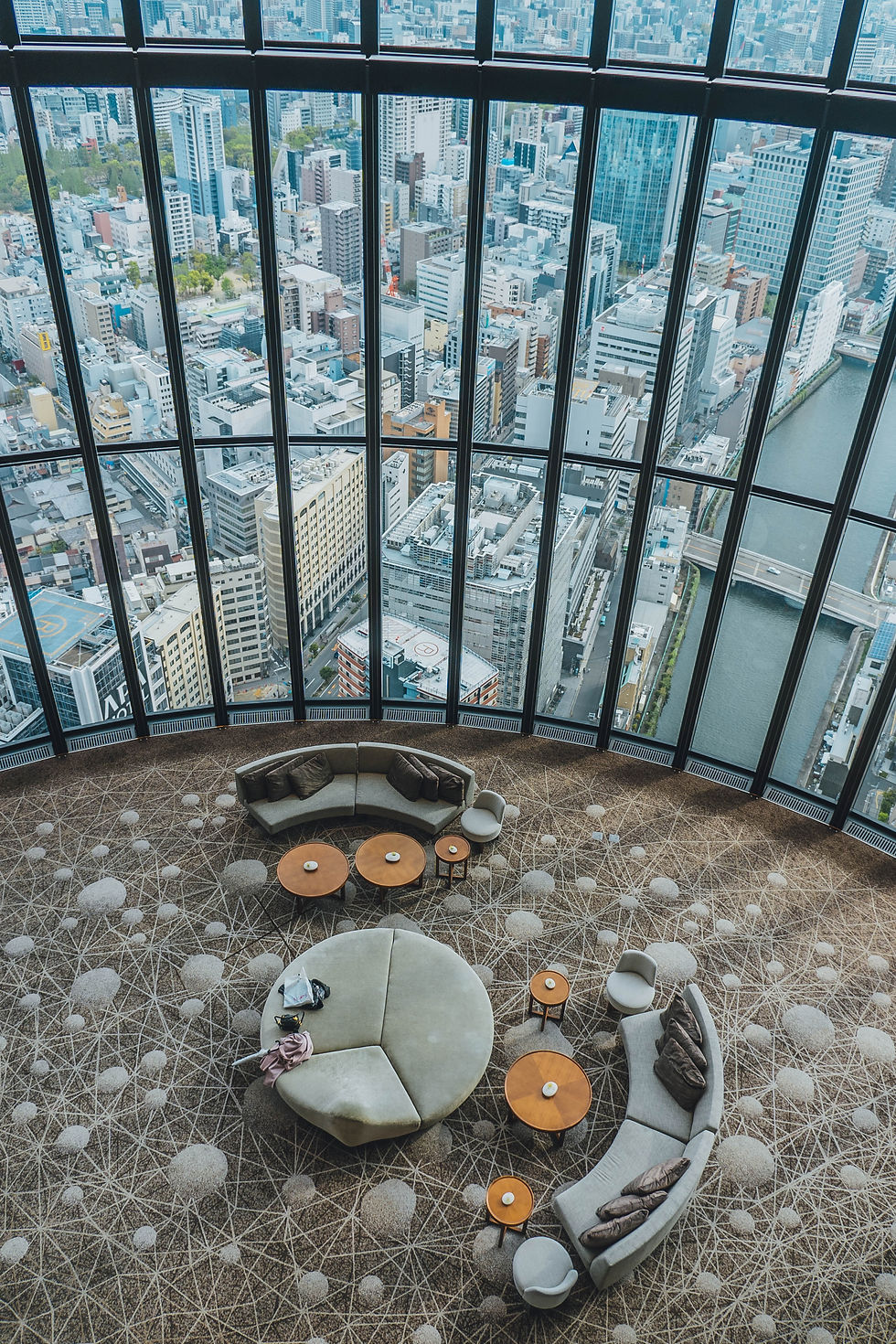
Tokyo's luxury hotel landscape is exceptional. The Park Hyatt (Sofia Coppola's film did not lie about the views), the Aman Tokyo housed inside a tower but designed to feel like a stone sanctuary and the Ritz-Carlton's Midtown property each offer a version of Tokyo's sophistication. For shorter stays or budget-conscious nights between ryokans, Japan's business hotels Dormy Inn, APA, the Mitsui Garden chain are models of compactness done well: clean, efficient, with the basics executed precisely.
Capsule Hotels
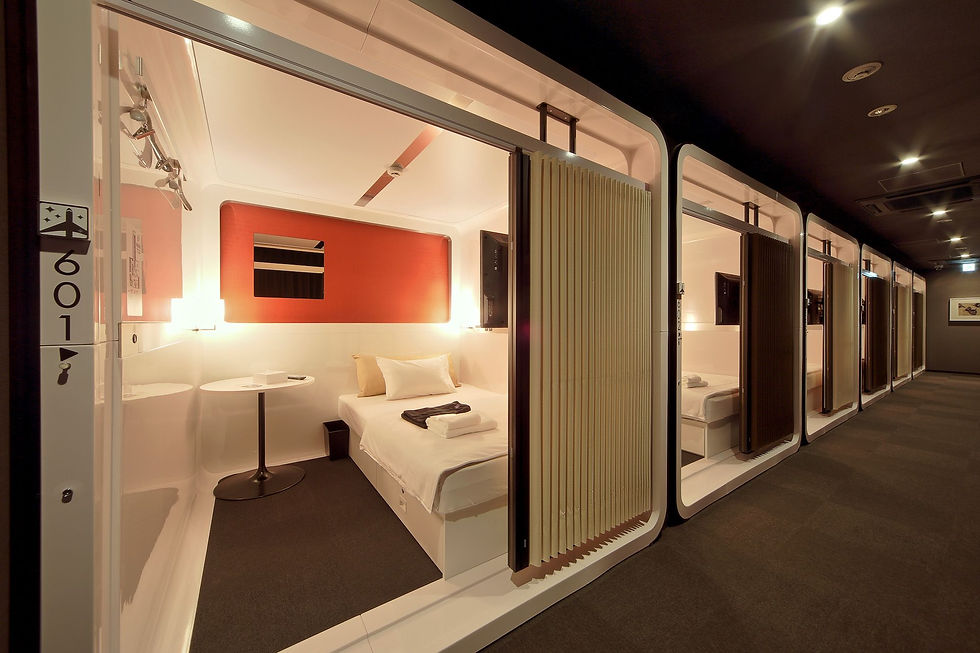
For the curious, are worth one night in Tokyo or Osaka simply as an experience modern capsule hotels like The Millennials in Shibuya are genuinely well-designed and not remotely claustrophobic. Think of it as sampling a way of life, not suffering through it.
礼
CULTURAL INTELLIGENCE
Deciphering Japanese Culture
Japan is not one culture experienced uniformly across the country. It is a series of distinct regional personalities each city with its own pace, its own relationship to formality, its own way of receiving a stranger. The traveller who arrives expecting a single coherent "Japanese experience" will find something richer and more surprising: four or five different Japans, each illuminating the others.
Tokyo — The City That Contains Everything
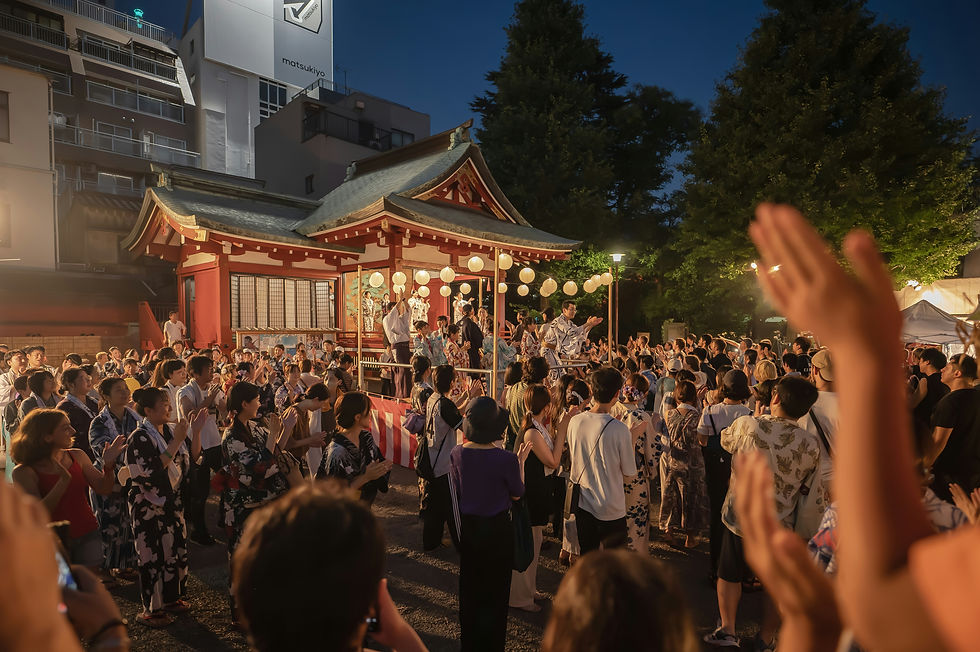
Tokyo's culture is one of extraordinary tolerance for individuality, wrapped inside an equally extraordinary commitment to collective order. These two things coexist without contradiction. In Harajuku, a teenager in a Victorian lace dress stands beside a salaryman in a navy suit, and neither registers the other as unusual. In Shibuya, 3,000 people cross an intersection simultaneously and nobody touches. In a ramen shop in Shinjuku, a chef who has made the same broth for 35 years ladles it into your bowl with the same focused care he gives every customer.
Tokyo does not perform its culture — it lives it. The city's scale (37 million people in the metropolitan area) means that almost every human interest, subculture, and obsession has a neighbourhood. Otaku culture in Akihabara, vintage clothing in Shimokitazawa, jazz bars in Shinjuku, fish markets at dawn in Toyosu. What unites all of it is a certain seriousness of craft the idea that whatever you do, you do it with full attention.
For visitors, Tokyo's cultural rule is this: nobody is watching you, and everybody will help you if you ask. The city that looks intimidating on approach is, in practice, one of the easiest in the world to move through. Locals are directionally generous, staff in every establishment are trained to assist, and the infrastructure speaks for itself. Lean into the city. It rewards curiosity more than caution.
TOKYO CULTURAL NOTE
Tipping does not exist in Japan and attempting it can cause genuine discomfort. Returning change or adding money to a bill is interpreted not as generosity but as an implication that the person cannot count. Service excellence in Japan is considered a professional standard, not something that needs to be additionally compensated. The compliment you give with your eyes and a small bow lands far better than any cash.
Kyoto — Where Formality Is an Art Form

Kyoto operates on a different register entirely. Where Tokyo is horizontal and democratic, Kyoto is vertical and layered a city where a family's neighbourhood, the age of their house, and the nature of their trade still carry social weight. Kyoto people are famously reserved with outsiders, and the city's famous concept of ikezu a kind of polite indirectness that conveys something other than what is literally said can be disorienting until you understand it is not hostility but a form of highly refined social navigation.
What this means practically for a visitor: Kyoto will not come to you. The city rewards patience and approach. A temple garden seen in silence, with intention, reveals something that the same garden seen quickly, camera-first, does not. The famous geisha district of Gion operates on its own set of unwritten rules — geiko and maiko (Kyoto's terms for geisha and apprentice geisha) are working professionals moving between engagements, not tourist attractions. Photographing them without permission, touching them, or blocking their path is considered deeply rude and increasingly carries consequences in the city. Watch from a distance. If you are fortunate enough to pass one on a narrow alley at dusk, the correct response is to stand aside and appreciate the moment quietly.
Kyoto's cultural depth is accessed through ritual: the tea ceremony is not a performance but a philosophy made physical. The concept of ichi-go ichi-e — "one time, one meeting," the idea that this precise gathering of people and circumstances will never recur — underpins not just tea but the entire Kyoto sensibility. The city asks you to be present in a way that, once experienced, is difficult to leave behind.
Osaka — Where the Mask Comes Off

Osaka is the correction to anyone who thought Japan was uniformly reserved. The city's culture is built on taokomonai — a blunt, warm, comedic directness that the Japanese themselves contrast with Tokyo's more guarded politeness. Osakans will talk to you unprompted. They will ask where you are from. They will give you their opinion on the best takoyaki stall in the market without being asked. The city's comedic tradition — manzai, a rapid-fire two-person comedy form — runs through the DNA of everyday conversation: Osakans talk fast, use punchlines, and expect you to keep up.
The cultural concept that defines Osaka's relationship with food is kuiadaore — literally "eat until you ruin yourself." This is not a metaphor. The city's food culture is the most genuinely democratic in Japan: a standing ramen counter beside a Michelin-starred kaiseki restaurant beside a grandmother's takoyaki cart, and all three are equally worth your time. In Osaka, the question "where should we eat?" is not casual — it is the question the day is organised around.
Osaka also has a different relationship to rules than Kyoto or Tokyo. Things are slightly louder, slightly faster, slightly more chaotic. Escalators in Osaka stand on the right (the opposite of Tokyo, where you stand left). The signage is bolder. The advertising is louder. The city is trying to sell you something, and it knows it, and it enjoys the transaction. This energy is not exhausting — it is, after a few careful days in Kyoto, enormously refreshing.
Kanazawa — The City That Remembers
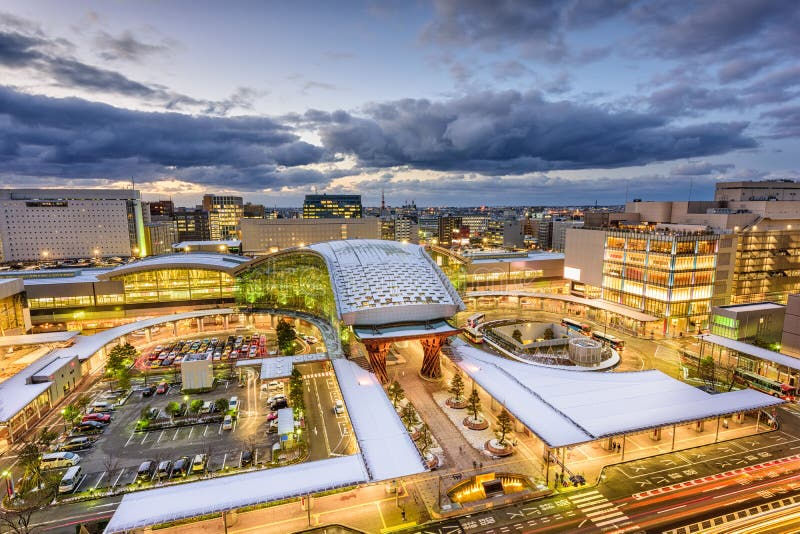
Kanazawa is the Japan that survived. Untouched by WWII bombing partly by geographic fortune, partly by the city's distance from major military infrastructure Kanazawa preserved its Edo-period merchant districts, its geisha quarters (called higashi chaya), its samurai neighbourhoods, and its extraordinary craft traditions in a way that Kyoto, for all its temples, could not entirely manage. The lacquerware, gold leaf, and Kaga silk traditions that define Kanazawa's cultural identity have been practised continuously for four centuries. The city is not a reconstruction or a museum it is a living inheritance.
Culturally, Kanazawa feels contemplative and quietly proud. The Kenroku-en garden considered one of Japan's three great gardens is best experienced in the early morning before tour groups arrive, when its ponds reflect the sky and the only sound is water. The 21st Century Museum of Contemporary Art sits in radical architectural contrast to the surrounding historic streets, and this juxtaposition old craft and new art, tradition and experiment is exactly what Kanazawa is: a city that holds both simultaneously without needing to resolve the tension.
For Indian travellers, Kanazawa is the destination most likely to feel genuinely discovered rather than visited. It is serious, beautiful, and unhurried a city whose pleasures are subtle and whose rewards accumulate across a full day or two rather than arriving immediately.
HOW TO MOVE LIKE A LOCAL
Understanding Behaviour on Japanese Transport
Japan's transport system is not just infrastructure it is a social environment with its own complete set of norms. These norms are not posted on signs (mostly), not enforced by staff (mostly), and not explained to you anywhere. They are simply observed by 37 million people every day, so seamlessly that breaking them stands out immediately not because anyone will say anything, but because the absence of reaction is its own form of comment.
Understanding transport behaviour in Japan is one of the fastest ways to feel less like a tourist and more like someone who belongs. Here is the full picture.

On the Shinkansen
Silence is the default. On a full Nozomi carrying 1,300 people, the ambient sound is the train itself — not human noise. Conversations happen in lowered voices. Phone calls do not happen. The "manner mode" reminder that plays before every Shinkansen departure asks passengers to switch phones to silent and to refrain from speaking on them in the carriages. This is a strong social expectation, not a weak suggestion. If you need to take a call, walk to the vestibule between carriages — the small standing area at the end of each car — and conduct it there. This is what everyone does.
Seat recline is a considered act. On Japanese trains and Shinkansen, reclining your seat is technically permitted but socially weighted. Many Japanese passengers check behind them before reclining and slightly acknowledge the person behind. If you recline, it is polite to do so gradually rather than in one sharp movement. On short journeys (under an hour), many people simply do not recline at all.
Eating on the Shinkansen is accepted — this is specifically a Shinkansen norm, distinct from metro trains. The culture of ekiben (station bento) exists precisely because the Shinkansen is a place where you eat while travelling long distance. The unspoken rule is: eat neatly, manage your rubbish, and keep strong-smelling food to a minimum. Instant noodles in a confined train carriage would register negatively. An ekiben of rice and grilled fish would not.
Luggage on the Shinkansen requires more thought than most visitors expect. Large suitcases must either go in the designated oversized luggage spaces (which require advance reservation on newer Nozomi services — you book the space when booking your seat) or above the seats in the overhead rack. There is no luggage storage midway through the carriage. If you have not reserved an oversized luggage space and arrive with a large case, the conductor can direct you, but the situation is avoidable. This is another reason the takuhaibin luggage forwarding service matters.

On the Metro and City Trains
Queuing on the platform is not optional. Every metro platform in Japan has painted floor markers — coloured rectangles or arrows showing exactly where each train door will open, with two queue lines flanking each marker. You join the back of the queue for your door. When the train arrives, the queues split neatly to each side of the door, passengers exit first, and then both queues board in order. This happens 500 times a day on every platform in the country. Walk to the front of a queue, and the social pressure entirely silent is immediate.
Priority seats (優先席, yūsen-seki) are the seats nearest the doors in each carriage, usually marked with a different colour or clear signage. They are designated for elderly passengers, pregnant women, people with disabilities, and anyone with an infant. The etiquette goes slightly further than simply offering your seat when needed: many Japanese passengers will not sit in priority seats at all, even when the carriage is empty, particularly older commuters who feel it would be inappropriate. As a visitor, the minimum is to offer your seat immediately and without hesitation to anyone who needs it.
Your bag goes in front of you or on the rack, never on the seat beside you. On a crowded metro, placing your backpack or bag on the seat beside you is one of the more noticeable social errors you can make. Backpacks should be taken off and held in front of you or placed at your feet during rush hour — some trains even have announcements requesting this during peak periods. Large backpacks worn on the back on a crowded platform will bump into people repeatedly, which compounds quickly in the density of rush hour.
Phone calls do not happen on metro trains. The announcement on every metro line in every city asks passengers to switch phones to manner mode and refrain from making calls. This is observed uniformly. Headphones at reasonable volume for music or video are fine. Speaking on the phone is not. If you receive a call, decline it or step off at the next station to call back.
Eating and drinking on metro trains is generally avoided, though the norm is slightly more relaxed than the phone rule. On long regional trains and in rural areas, eating is more accepted. On urban metro lines in Tokyo and Osaka, eating while seated during rush hour would be noticed. Drinking from a closed bottle is generally fine.
Escalators follow a city-specific rule that confuses every first-time visitor: in Tokyo, stand on the left, walk on the right. In Osaka, stand on the right, walk on the left. These conventions are completely consistent within each city and entirely opposite between them. Getting this wrong during rush hour — particularly in Tokyo's Shinjuku or Osaka's Namba — means you are blocking the walking lane of a very determined stream of commuters. Look at what the person in front of you is doing before you step on, and mirror it.
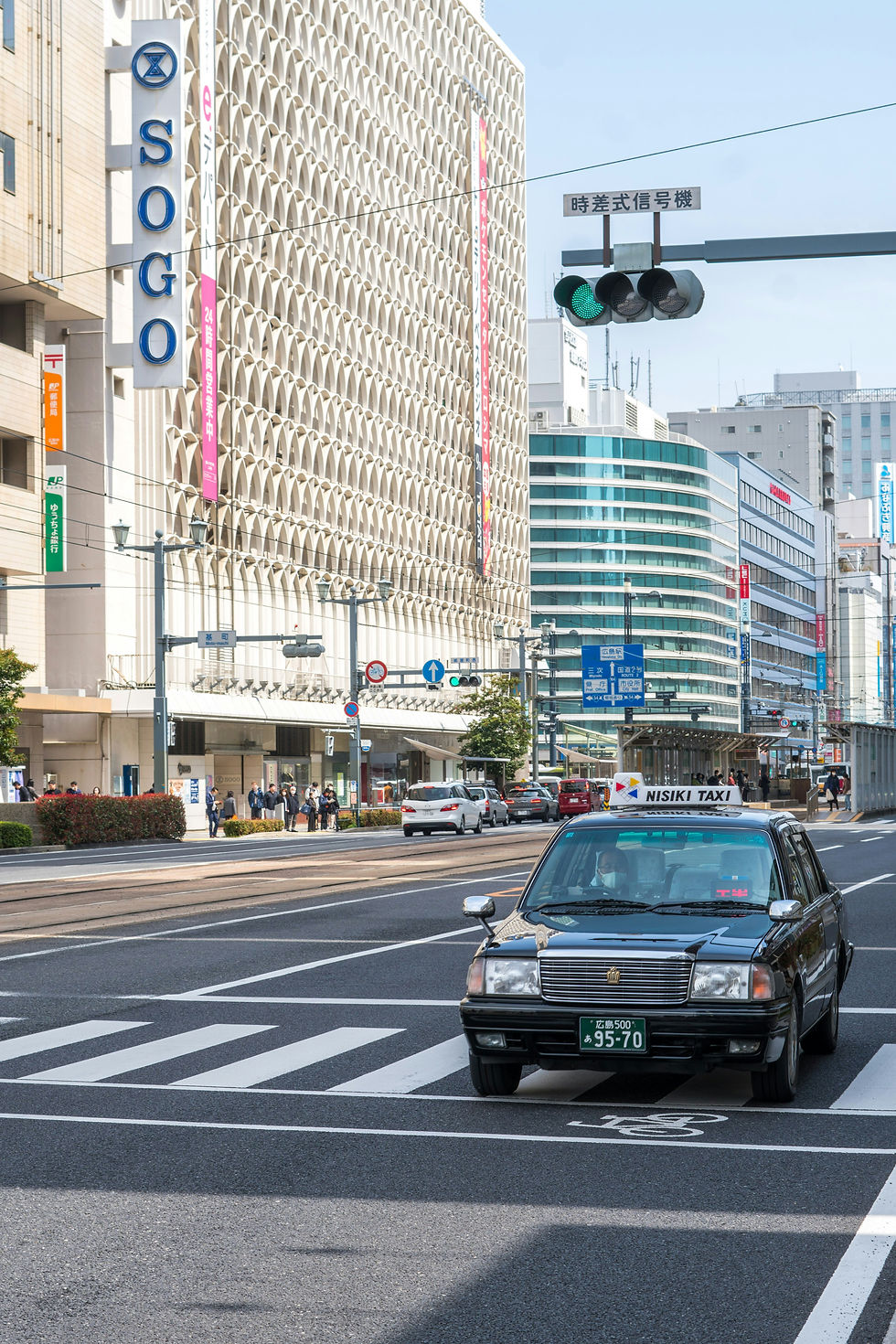
In Taxis
Japanese taxis are immaculate, the drivers are professional, and the experience is smooth — with one important logistical note that surprises almost every first-time visitor. The rear left door opens and closes automatically. You do not touch it. Getting in: wait beside the door, it opens for you. Getting out: the driver closes it behind you. Attempting to open or close the door yourself is the taxi equivalent of trying to help a server in a restaurant clear your plate uninvited — technically well-intentioned, practically unnecessary, and quietly noted.
Taxis in Japan are expensive relative to other Asian cities — a typical urban journey of 3–5 kilometres will run ¥1,000–2,000. They are clean, honest, metered, and reliable. No haggling, no routing around, no ambiguity. Payment in cash is standard; many newer taxis also accept IC cards and credit cards. If you are travelling late at night when trains have stopped running (last trains typically depart between 11:30 PM and midnight), taxis are the correct choice, and you should budget accordingly — weekend nights in central Tokyo and Osaka can be expensive.
THE UNIVERSAL TRANSPORT RULE
If you are ever unsure what to do on Japanese transport, the correct default is: be quiet, be compact, be patient, and watch what the person next to you does. The system is so well-designed that observation alone will guide you through almost every situation. You do not need to understand the language. You need to pay attention — which, as it turns out, is the same thing Japan asks of you everywhere.
The Bow — and What It Actually Means on Transport
You will encounter bowing throughout Japan, but on transport it takes a specific, functional form that is worth understanding. When a train conductor or staff member passes through your carriage to check tickets or make an announcement, they bow toward the carriage before entering and again on leaving. When a station announcement concludes, the recorded voice is often accompanied by a visual of a bowing figure. This is not ceremony for the tourist's benefit it is how professional service is expressed in Japan, even when the recipients are not watching, even when the carriage is asleep.
As a visitor, you do not need to bow at every opportunity, and over-bowing in response to service interactions reads as slightly performative. A small nod not a full bow when someone assists you, when you are handed your ticket, or when you leave a restaurant is the appropriate register. It says: I see you, I acknowledge this exchange, thank you. In Japan, that is enough. It is, in fact, everything.
PLAN SMARTER
Essential Japan Resources
The tools that actually make a Japan trip easier. Each one has been used and trusted by travellers who know the country well.
CHERRY BLOSSOM FORECASTS
Japan Guide — Sakura Forecast
The most reliable English-language cherry blossom tracker. Updated daily during season with regional forecast maps and bloom percentages.
SCENIC RAIL ROUTES
Japan Tourism — Scenic Railways
Official guide to Japan's most scenic train journeys, from the Sagano Romantic Train in Kyoto to the Shikoku mountain loops. Essential for rail-focused itineraries.
TRANSPORT NAVIGATION
Navitime Japan Travel
The most accurate English-language transit planner for Japan. Route searches, platform numbers, fare calculations, and real-time disruption alerts. More reliable for complex local routing than Google Maps.
SHINKANSEN BOOKING
SmartEX
Official JR booking platform for foreign visitors. Links your Suica IC card to your reservations tap through the Shinkansen gate without a paper ticket. Accepts international credit cards.
RESTAURANT DISCOVERY
Tabelog
Japan's most trusted restaurant review platform, used by locals far more than any Western equivalent. Ratings are stringent (a 3.5 on Tabelog is genuinely excellent). The English version covers most major cities. Search by neighbourhood and cuisine, read the score before you commit to a queue. Anything above 3.8 is worth planning a meal around.
GENERAL JAPAN PLANNING
Japan Guide
The definitive English-language reference for Japan travel. City guides, temple opening hours, transport passes, seasonal events, and practical logistics. If you want to know anything about a destination before you arrive, start here.
MEDICAL & EMERGENCY
JNTO Emergency Guide
Official Japan National Tourism Organisation emergency guide for foreign visitors. Covers how to call an ambulance (119), find English-speaking hospitals, access the Japan Visitor Hotline (24 hours, multilingual), and navigate medical facilities. Save this link before you travel.
また来たい
Why Japan Stays With You
There is a phrase the Japanese use mono no aware which might be translated as "the bittersweet awareness of impermanence." It is the feeling you have watching cherry blossoms fall. It is the feeling, too, that settles over you on the flight home from Tokyo, when you realise that the thing you're already missing is not a place or a dish or even a particular view. It is a quality of attention. Japan taught you to look more carefully, to move more deliberately, to find meaning in the small and the precise and the fleeting.
That is what the country gives you, beyond the photographs and the itinerary checkboxes and the very good food. It gives you a different way of being in a moment. And that, as it turns out, is something you carry home and can't quite put down.
The travellers who return to Japan and most do return often find it difficult to explain exactly why. They mention the food, and then correct themselves. They mention the efficiency, but that isn't it either. Eventually, they usually say something close to: "It's just a feeling. Like nothing else works quite that way."
They are right. And the only honest reply is: go, and find out for yourself.
Plan Your Japan Trip with Global Journeys
Planning Japan well is the difference between a trip that ticks boxes and one that stays with you for years. At Global Journeys, we design Japan itineraries that move at a considered pace combining the cultural depth of Kyoto, the energy of Tokyo, and the quiet moments
that most group tours skip entirely. Reach out to us on WhatsApp: +91 88791 70009 Ready to start planning? Explore our Japan travel experiences or browse all our curated destinations.

Comments